Understanding Hair Transplant Procedures
Hair loss can be a distressing experience for many individuals, prompting them to seek effective solutions for restoration. One popular option that has gained significant traction in recent years is the hair transplant. This article aims to provide a comprehensive overview of hair transplant procedures, especially within the context of hair transplant istanbul, a city known for its advanced medical facilities and experienced professionals. We will delve into the techniques, selection of clinics, preparation, recovery, and future trends in hair restoration.
What is a Hair Transplant?
A hair transplant is a surgical procedure that involves moving hair follicles from one part of the body, commonly referred to as the donor site, to an area that is thinning or balding, known as the recipient site. This method allows for the restoration of hair in a natural-looking manner, as the transplanted hair retains its original characteristics. Hair transplants can be a permanent solution for hair loss, making them an attractive option for many.
Types of Hair Transplant Techniques
There are primarily two techniques used in hair transplants:
- Follicular Unit Transplantation (FUT): In this method, a strip of scalp is removed from the donor area, and individual follicular units are then extracted from this strip before being implanted into the thinning areas. This technique is often favored for its efficiency and ability to harvest a large number of grafts at once.
- Follicular Unit Extraction (FUE): FUE involves the extraction of individual follicular units directly from the scalp using a specialized tool. This method is less invasive and results in minimal scarring, making it a popular choice among patients seeking a more discreet option.
How Hair Transplants Work
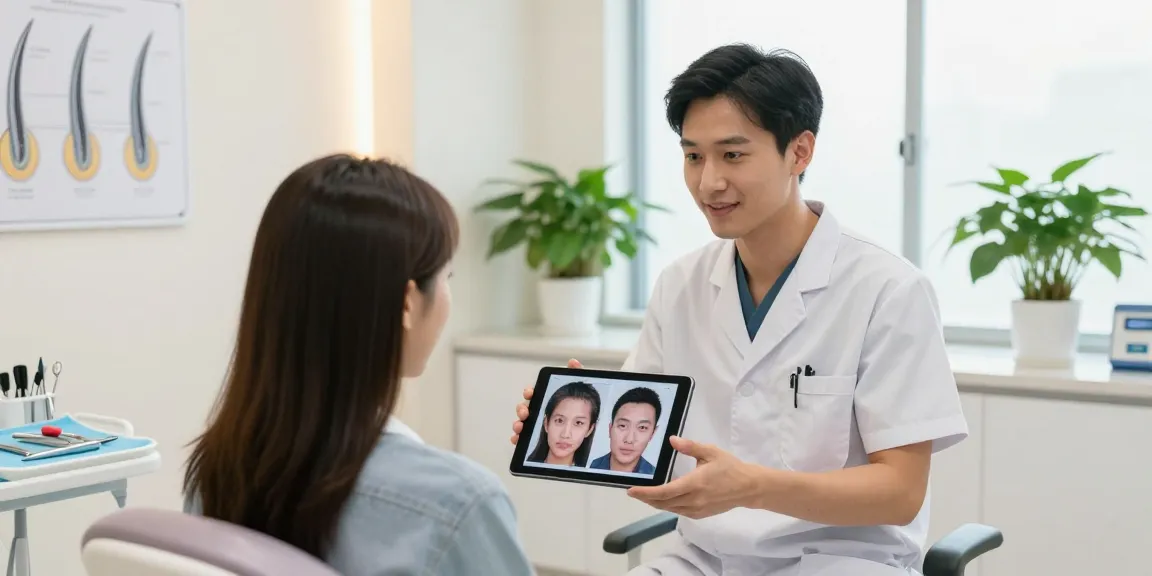
The hair transplant process begins with a consultation, where the surgeon assesses the patient's hair loss condition and discusses potential outcomes. Following this, the chosen technique is performed under local anesthesia. The transplanted hair follicles typically fall out within a few weeks, making way for new growth to emerge within six to nine months. Patients usually notice final results after about 12 months, with the new hair blending seamlessly with existing hair.
Choosing the Right Clinic in Istanbul
When considering a hair transplant, selecting the right clinic is crucial to achieving desired results. Istanbul has become a leading destination for hair restoration procedures, attracting thousands of international patients annually. To ensure your choice is informed and beneficial, consider the following factors.
Factors to Consider When Selecting a Clinic
- Experience and Credentials: Research the surgeon’s qualifications, experience, and professional affiliations. Look for clinics with a proven track record in hair transplants.
- Technology and Techniques: Ensure the clinic uses state-of-the-art technology and offers both FUT and FUE methods. This ensures you have options tailored to your specific needs.
- Patient Care: Evaluate the level of patient care provided in the clinic. Quality service can significantly enhance your overall experience.
Questions to Ask Your Surgeon
Before proceeding with the surgery, it’s important to engage in an open dialogue with your surgeon. Consider asking the following questions:
- What results can I realistically expect?
- How many transplants have you performed?
- What are the potential risks and complications?
Reading Reviews and Testimonials
Look for reviews and testimonials from previous patients. Online forums, social media platforms, and the clinic's website can provide valuable insights into the experiences of others, helping you gauge the clinic's reputation and patient satisfaction levels.
Preparing for Your Hair Transplant
Preparation is key to a successful hair transplant. Your journey begins with an initial consultation, where the surgeon develops a personalized plan based on your specific needs. Here’s what to expect.
Initial Consultation and Assessment
During the consultation, your surgeon will conduct a comprehensive assessment of your hair loss, medical history, and any relevant health conditions. This evaluation helps to determine the most suitable approach for your procedure.
Health Considerations and Pre-Surgery Instructions
Your surgeon will provide specific health considerations and pre-surgery instructions to optimize your candidacy for the procedure. This may include avoiding blood thinners, alcohol, and smoking in the days leading up to the transplant.
Understand the Costs and Financing Options
The cost of hair transplants can vary significantly based on the technique, clinic reputation, and the extent of hair loss. Many clinics in Istanbul offer financing options or package deals that can make the procedure more accessible.
Post-Procedure Care and Recovery
After your hair transplant, following proper aftercare instructions is vital for achieving the best results. The recovery phase varies from person to person but generally follows a standard pattern.
Immediate Aftercare Instructions
Post-surgery, patients are usually given detailed care instructions, including how to wash their hair, medications to manage pain, and signs of complications to watch for. Adhering to these guidelines can significantly enhance your recovery experience.
Long-Term Care for Optimal Results
To maintain your new look, it’s essential to implement a long-term hair care routine. This may involve special shampoos, vitamins, or periodic check-ups with your surgeon to monitor hair growth.
Common Side Effects and What to Watch For
While most side effects are mild and temporary, such as swelling and redness, it’s crucial to be aware of any unusual symptoms that may indicate complications. Immediate consultation with your surgeon is advised should you experience anything concerning.
Future Trends in Hair Restoration
The field of hair restoration is evolving, with new technologies and changing patient expectations shaping the future of hair transplants. Here are some trends to watch for in 2026.
Innovations in Hair Transplant Technology for 2026
Emerging technologies, such as robotic hair restoration systems and advanced tissues engineering, are anticipated to enhance the precision and efficiency of hair transplants. These innovations could lead to even more natural results and faster recovery times.
Changing Patient Demographics and Expectations
Hair transplants are becoming increasingly popular among younger demographics, with expectations for quicker results and minimal downtime. Clinics will need to adapt to these evolving preferences by offering tailored solutions that match their clientele's needs.
Final Thoughts on Hair Transplant Istanbul
Choosing Istanbul for your hair transplant can provide a unique combination of high-quality medical services and affordability. The city has become a hub for hair restoration, offering many options for those seeking this life-changing procedure.
How to Maintain Your New Look
Once you have undergone a hair transplant, maintaining your new look involves regular care and possibly periodic treatments to ensure that your transplanted hair remains healthy and vibrant. Consulting with your clinic for ongoing care recommendations is advised.
FAQs about Hair Transplants
Below are some frequently asked questions that potential candidates typically have:
Are Hair Transplants Permanent?
Yes, hair transplants are considered a permanent solution as the transplanted follicles are taken from areas resistant to balding. However, it’s important to maintain realistic expectations and understand that natural hair loss may still occur over time.
How Long Does Recovery Take?
Most patients can return to their normal activities within a few days, but full recovery may take several months as the new hair follicles establish themselves and begin to grow.
What Are the Risks Involved?
Like any surgical procedure, hair transplants carry risks, including infection, scarring, and unnatural-looking hair. Discussing these risks with your surgeon can help ensure you are fully informed.
Can Anyone Get a Hair Transplant?
Most people are good candidates for hair transplants; however, factors such as age, hair type, and extent of hair loss will be considered during the evaluation process.
What Happens If I Don't Follow Aftercare?
Neglecting aftercare can lead to complications such as poor hair growth or infection. Adhering to post-surgery instructions is crucial for achieving the best possible outcome.