Understanding Celebrity Look Alikes
The fascination with celebrity look alikes has long captivated audiences, from casual fans to dedicated followers of pop culture. Look alikes of famous people serve as a mirror reflecting society's ideals of beauty and fame. This article delves into the definitions, misconceptions, and psychological underpinnings of celebrity doppelgängers, exploring why certain individuals resonate with us and how their likeness can turn into an intriguing phenomenon.
Defining Look Alikes of Famous People
Look alikes of famous people, commonly referred to as doppelgängers, are individuals who bear a striking resemblance to a celebrity. This resemblance can span various aspects, including facial features, body type, and even demeanor. The allure of these look alikes often lies in our innate curiosity to draw connections between the familiar and the unknown. Social media platforms have amplified this phenomenon, showcasing users who claim to have celebrity twins, further blurring the lines of identity.
Common Misconceptions about Celebrity Look Alikes
Many misconceptions surround the concept of look alikes. A prevalent belief is that these individuals should share the same personality traits or life experiences as their famous counterparts. In reality, while they may look similar, these doppelgängers can lead vastly different lives, with unique backgrounds that have nothing to do with the celebrity they resemble. Additionally, the idea that look alikes can achieve celebrity status simply due to their appearance is misleading. Fame and recognition are influenced by numerous factors beyond mere physical resemblance.
The Psychology Behind Celebrity Doppelgängers
The psychology of doppelgängers is rooted in various cognitive and emotional responses. People are fascinated by celebrity culture, often idolizing public figures for their achievements or appearance. This admiration can lead to a desire to connect with someone who embodies those traits through a look alike. Psychologically, seeing a resemblance can provoke feelings of nostalgia or even foster a sense of belonging, as individuals feel linked to popular culture. Furthermore, the doppelgänger phenomenon taps into themes of identity, allowing people to explore alternate representations of themselves.
Finding Your Celebrity Twin
As the world becomes increasingly interconnected, discovering your celebrity twin has never been easier. The internet provides a plethora of resources and tools tailored to help individuals identify look alikes of famous people. From apps leveraging facial recognition technology to social media platforms where users share their likenesses, the quest for a doppelgänger is just a few clicks away.
How to Identify Look Alikes of Famous People
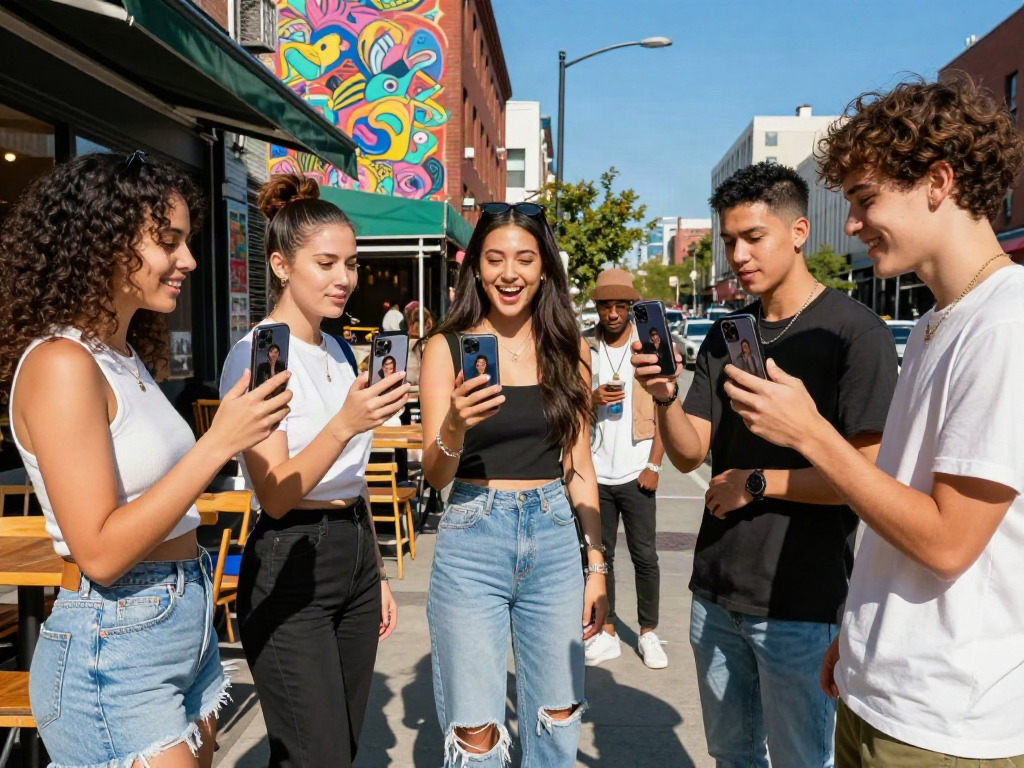
Identifying celebrity look alikes can be an entertaining activity. Many online tools, such as photo comparison apps, utilize algorithms to match your photograph with celebrities based on facial features. Users can upload selfies and receive real-time results indicating which stars they resemble. Social media also plays a pivotal role; platforms like Instagram and TikTok feature a range of challenges encouraging users to find their doppelgängers, fostering community interactions and discussions around likenesses.
Online Tools and Resources for Discovering Look Alikes
- Celebrity Look-Alike Apps: Numerous mobile applications, such as "StarbyFace" and "Lookalike," allow users to upload their photos and get matches based on celebrity likenesses.
- Social Media Challenges: Platforms like TikTok and Instagram offer hashtag challenges, promoting engagement as users participate in finding and sharing their celebrity twins.
- Face Recognition Software: Websites like "My Heritage" offer facial recognition features that analyze historical photos for celebrity resemblances.
Tips for Sharing Your Look Alike Stories
Once you’ve discovered your celebrity twin, sharing your experience can be a delightful way to connect with others. Consider these tips:
- Use Visual Content: Sharing a side-by-side comparison of your photo with the celebrity can make your post more engaging.
- Join Online Communities: Platforms dedicated to look alikes often foster supportive and interactive environments where you can share your experiences.
- Encourage Others: Invite friends and family to find their look alikes and create a friendly competition.
The Evolution of Celebrity Look Alikes
The concept of celebrity look alikes has evolved significantly over decades. Historical context reveals that this fascination isn’t a modern invention; rather, it has been a part of human culture for centuries, often highlighted in art and literature.
Historical Context: Look Alikes Through the Decades
During the 19th and early 20th centuries, painting and photography captured the likenesses of famous individuals, leading to a fascination with doppelgängers that has persisted. For example, many artists created caricatures and portraits that exaggerated features, allowing people to explore the concept of resemblance artistically. In the film industry, impersonators have long been celebrated for their ability to mimic the appearances and mannerisms of icons, which laid the groundwork for the modern fascination with look alikes.
Current Trends in Celebrity Resemblance
In today’s digital age, the allure of look alikes has surged due to the rapid dissemination of images through social media. Viral trends often spotlight individuals who are uncanny doppelgängers of celebrities, leading to widespread discussions about identity and acceptance. Moreover, influencers and content creators leveraging their looks to draw parallels with celebrities add an interesting layer, blending artistry with personal branding.
Future Predictions for Celebrity Look Alikes by 2026
As technology continues to advance, the future of celebrity look alikes looks intriguing. Predictions for 2026 suggest a rise in augmented reality applications that could enhance the experience of finding and showcasing doppelgängers. Additionally, deeper algorithms will likely provide more accurate matches, further revolutionizing how we perceive and interact with look alikes. The culture surrounding look alikes will likely grow, as society becomes more inclusive and accepting of diverse representations of beauty.
Exploring Famous Look Alikes
Throughout history, numerous notable celebrity look alikes have emerged, capturing the public's imagination with their striking similarities to famous figures. These likenesses often lead to viral trends, sparking discussions about identity and perception.
Notable Celebrity Look Alikes and Their Stories
Several famous look alikes have gained recognition in their own right. For instance, actors such as Shailene Woodley and Grace Van Patten have been noted for their similar facial structures. Similarly, Kevin Bacon and Ethan Hawke both share a resemblance that became a talking point among fans of their films. These connections not only entertain audiences but also create avenues for dialogue about the blurred lines between identity and representation.
Social Media's Role in Highlighting Look Alikes
Social media has transformed how look alikes are discovered and celebrated. Platforms like Reddit host communities dedicated to sharing photos of look alikes, fostering a sense of belonging among members who revel in finding their doppelgängers. Hashtags such as #lookalike and #celebritytwin often trend, allowing users to explore a plethora of images and stories. This democratization of fame contrasts sharply with traditional celebrity culture, providing a platform for everyday individuals to gain recognition, however fleeting.
Famous Look Alikes in Film and Television
Film and television have also embraced the allure of look alikes. Numerous actors have portrayed doppelgängers on screen, adding layers of complexity to character narratives. Recent examples include shows like "You" where the character played by Penn Badgley is often compared to a younger version of himself, showcasing the fluidity of identity. Furthermore, segments on popular variety shows often feature look alike competitions, revealing the widespread appeal of this phenomenon.
Engaging with Celebrity Look Alikes Community
As the appeal of celebrity look alikes continues to grow, engaging with communities—both online and offline—can be a fulfilling experience for enthusiasts. These spaces provide resources for sharing experiences and discovering connections.
Joining Online Forums and Groups for Look Alikes
Platforms such as Reddit and Facebook contain groups dedicated to look alike discussions. Joining these forums allows users to share their stories, photographs, and experiences related to their doppelgängers. These communities often create a sense of camaraderie, as members bond over their shared interests and explore the implications of celebrity likenesses.
Challenges Faced by Look Alike Enthusiasts
Despite the fun and entertainment associated with finding celebrity look alikes, enthusiasts may encounter challenges. Misinterpretation and objectification of likeness can lead individuals to feel uncomfortable with their resemblance. Additionally, not all viewers will appreciate the nuances of identity, leading to potential misjudgments about one's personal narrative.
Creating Content and Sharing Your Own Celebrity Look Alikes
For those interested in contributing to the conversation, creating content around personal look alike experiences can foster engagement. Whether through blogs, social media posts, or videos, sharing your findings can build connections within the community, clarify misconceptions, and highlight the joy of celebrating identity through resemblance.
Who are some celebrity look alikes?
Some well-known celebrity look alikes include Margot Robbie and Jaime Pressly, as well as Leonardo DiCaprio and historical figures throughout time. These pairings illustrate that resemblance can transcend generations and cultures, creating a rich tapestry of identities.
Who is the most famous doppelganger?
While many celebrities have famous doppelgängers, individuals like Ed Sheeran and his look alike have taken social media by storm, often leading to humorous comparisons and interactions that highlight the fun of this phenomenon.
What are some examples of look alikes?
Many examples abound, ranging from actors to public figures. For instance, comparisons are frequently made between Lake Bell and Elizabeth Banks, as well as Beyoncé and Rihanna, showcasing the variety of resemblances across different domains.
How to find your celebrity look alike online?
Finding your celebrity look alike online is a fun venture. Start by using facial recognition apps, participating in social media challenges, and engaging with online communities that celebrate these identities. These resources can help you explore the myriad of doppelgängers that exist and discover how closely you resemble your favorite stars.
Can look alikes share personality traits?
While look alikes may share similar physical features, sharing personality traits is less common. The intersection of appearance and character is complex, and while it may occur in rare instances, it’s essential to recognize that resemblance does not equate to shared experiences or traits. Each individual's personality remains a unique tapestry woven from their experiences and environments.