Understanding TradingView: Features and Benefits
In the rapidly evolving world of financial trading, having the right tools can significantly impact your success. TradingView stands out as one of the leading platforms, offering a unique combination of market data, professional-grade charts, and multi-device accessibility. Whether you're a novice trader or a seasoned professional, the comprehensive features of TradingView cater to various trading styles and needs, providing insights that drive informed decision-making.
What is TradingView and How Does it Work?
TradingView is an advanced financial visualization platform that allows traders and investors to analyze various financial markets. It integrates real-time data from a multitude of exchanges, offering charts that can be customized according to individual user preferences. With its cloud-based architecture, TradingView enables users to access their charts and analyses from anywhere, whether on a desktop, tablet, or mobile device.
The platform is designed to foster both social interaction and learning among traders. Users can share their analyses, strategies, and charts within the community, offering a rich source of collaborative learning and innovative ideas. This interaction often leads to discussions that can enhance one’s understanding of market trends and trading tactics.
Key Features of TradingView for Traders
- Advanced Charting Tools: TradingView provides an extensive range of chart types, indicators, and drawing tools that allow for detailed technical analysis. Users can overlay multiple indicators to find optimal trading setups.
- Custom Alerts: The platform offers sophisticated alert systems that help traders track market movements without needing to monitor charts constantly. Alerts can be based on price changes, indicators, or specific chart patterns.
- Social Features: TradingView’s ability to connect traders globally fosters a collaborative environment for sharing analyses and ideas, making it easier for users to learn from each other.
- Market Coverage: From stocks and commodities to cryptocurrencies and forex, TradingView covers a broad spectrum of markets, providing users with diverse trading opportunities.
The Benefits of Using TradingView for Market Analysis
Using TradingView significantly enhances the market analysis experience for traders. The intuitive interface and high responsiveness of the platform make it easy to navigate complex financial data. Additionally, the ability to apply customized templates means traders can create a workspace that suits their individual analyses perfectly.
Furthermore, the cross-device compatibility allows traders to maintain continuity across different platforms. A trader may start their analysis on a desktop, receive alerts on their mobile device, and access the same work on a tablet later, ensuring that they remain engaged with the market regardless of their location.
Chart Analysis Techniques in TradingView
How to Utilize Technical Indicators on TradingView
Technical indicators are essential tools in a trader's arsenal, and TradingView offers a robust selection. Traders can leverage indicators such as Moving Averages, Relative Strength Index (RSI), and Bollinger Bands directly on their charts. These indicators help to analyze price movements and trends, ultimately leading to more informed trading decisions.
To add an indicator, users simply need to click on the 'Indicators' button at the top of their charts and search for the desired tool. Once added, these indicators can be customized in terms of their parameters and visual appearance, providing a tailored analysis experience.
Creating Custom Chart Layouts in TradingView
One of the standout features of TradingView is the ability to create custom chart layouts. Users can choose to display multiple charts simultaneously, allowing for the analysis of different securities or timeframes at once. This is particularly useful for traders employing multi-time frame analysis, as it enables them to see broader trends while still scrutinizing specific trading setups.
Custom layouts can be saved and retrieved at any time, allowing traders to switch between different strategies and analyses effortlessly. This feature is particularly beneficial for those who follow multiple instruments or strategies concurrently.
Best Practices for Multi-Time Frame Analysis
Multi-time frame analysis is a powerful technique that provides traders with a more comprehensive view of price action. By analyzing a security over several time frames—such as daily, hourly, and minute charts—traders can identify trends and potential reversal points more accurately.
Begin with the higher time frame to identify the overall trend and then move down to lower time frames to find entry and exit points that align with that trend. This approach not only enhances the accuracy of trades but also increases confidence in the decisions made.
Setting Up Alerts and Notifications in TradingView
Configuring Price Alerts for Maximum Efficiency
Price alerts on TradingView are pivotal for traders looking to stay informed about market movements without constant monitoring. These alerts notify users when prices reach specified levels, allowing traders to act quickly based on their trading plan.
To set an alert, right-click on the chart at the desired price level and select 'Add Alert.' This feature can also be customized to include specific conditions, such as when an indicator crosses a certain threshold. This level of customization ensures traders are notified at the exact moment they need to be.
Using Conditional Alerts for Technical Analysis
Conditional alerts are even more sophisticated, allowing traders to set notifications based on multiple criteria. For instance, you can configure alerts that trigger only when the price crosses a specific line while an indicator meets designated conditions. This helps to filter out noise and focus on significant market movements, maximizing trading efficiency.
The flexibility of these alerts means that traders can tailor their trading strategies and enter or exit trades with increased precision, reducing the likelihood of emotional decision-making.
Managing Alerts Across Multiple Devices
Managing alerts across various devices is another strong suit for TradingView. Users can set up alerts from their desktop or mobile version, and they will be synchronized across all platforms. This means that a trader can set their alerts from a desktop and get notifications on their mobile device, ensuring that they never miss critical market movements.
This cross-device functionality is particularly advantageous for traders who are always on the go, as they can remain connected to the market and act promptly even when away from their primary workstation.
TradingView on Different Devices: A Comprehensive Overview
Comparing Desktop and Mobile Versions of TradingView
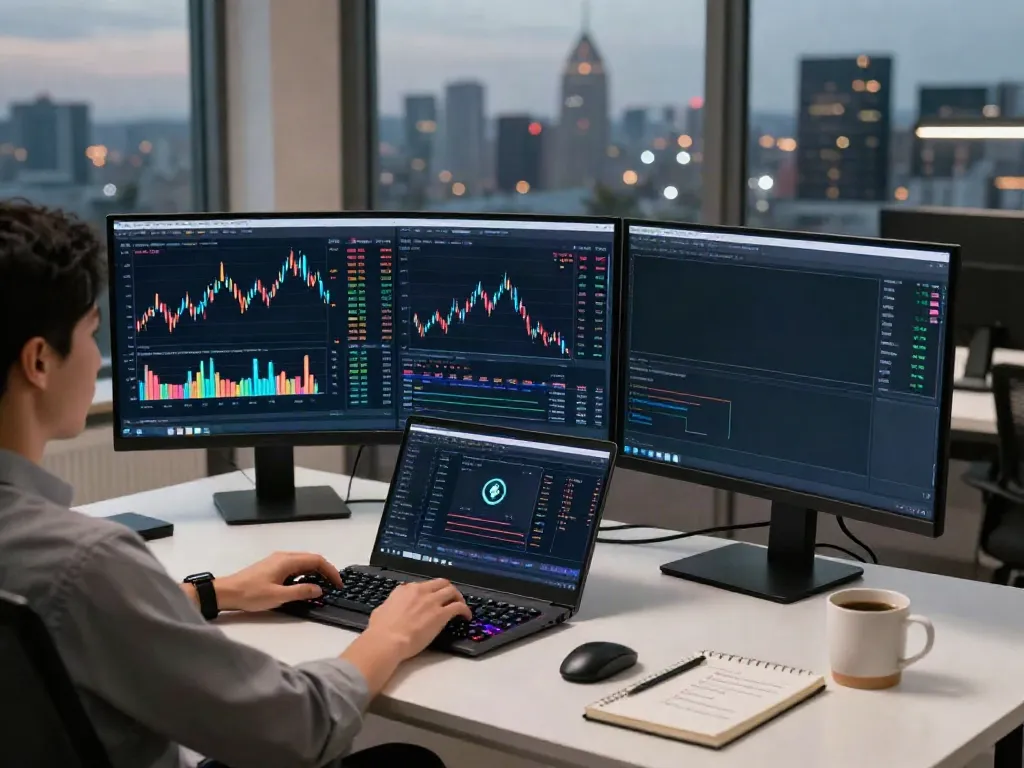
The desktop and mobile versions of TradingView both offer rich features, but they cater to different user needs. The desktop version provides a larger workspace, making it easier to manage multiple charts and utilize advanced features such as multiple displays and extensive customization options.
Conversely, the mobile application enables traders to analyze markets and manage their trades on the go. While it may not have all the advanced functions of the desktop version, it still offers adequate tools for basic analysis and alert management, making it an excellent choice for those frequently away from their desks.
Utilizing TradingView in a Cross-Device Environment
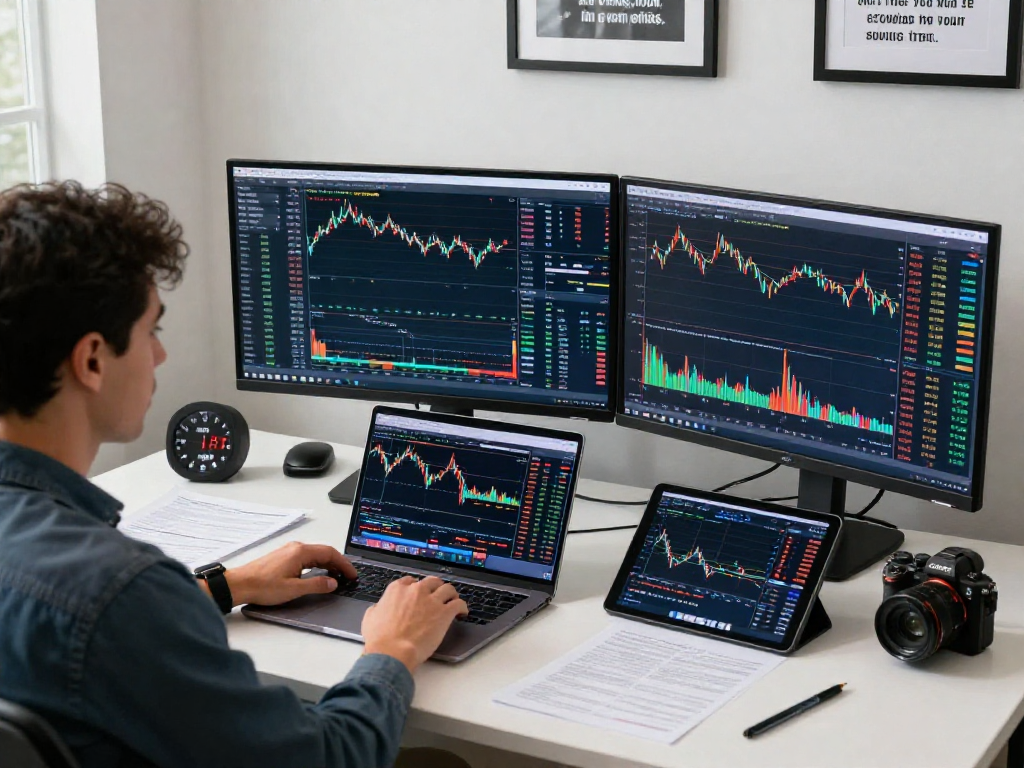
One of the standout features of TradingView is its ability to keep users synchronized across devices. Changes made on one platform reflect in real-time on another. This means traders can switch seamlessly between their desktop, tablet, and mobile devices without losing their analyses or alerts.
This cross-device capability ensures that traders are always connected and can make strategic decisions regardless of where they are, enhancing their overall trading experience.
Best Tools for Syncing Your Trading Workflow
To maximize your trading workflow, it's important to use the tools that allow for seamless integration across devices. TradingView's cloud-based system automatically saves your settings and layouts, making it easy to switch between devices without any downtime.
Moreover, leveraging browser extensions or companion apps can enhance your TradingView experience, providing additional functionalities such as easier navigation or quicker access to your favorite charts and indicators.
Future Trends in Trading Technology and TradingView
Emerging Technologies Impacting Trading Platforms
As technology continues to evolve, so too does the landscape of trading platforms. Emerging technologies like artificial intelligence and machine learning are beginning to surface in trading tools, offering sophisticated analytical capabilities that can predict market trends and automate trading strategies.
TradingView is positioned at the forefront of these changes, constantly innovating to incorporate advanced technology that improves the user experience and enhances market predictions.
Predictions for TradingView Enhancements by 2026
Looking ahead to 2026, we can expect TradingView to introduce even more advanced features, including enhanced AI-driven analytics, deeper integration with financial news sources, and expanded collaboration tools for community trading. As traders demand faster and more accurate insights, TradingView is likely to lead the charge in providing those capabilities.
Additionally, the platform may expand its asset coverage, allowing users to trade and analyze an even wider array of financial instruments than currently available.
How to Stay Ahead as a Trader in a Digital Era
To stay ahead in today’s fast-paced trading environment, traders must embrace technology and continuously adapt their strategies. Utilizing platforms like TradingView not only streamlines the trading process but also enhances analytical depth, allowing for more informed decision-making.
Engaging with the trading community through social features can also provide valuable insights, helping traders discover new strategies and market movements. By staying connected and educated, traders can position themselves for success in an increasingly competitive digital landscape.
What are the key features of TradingView?
TradingView's key features include extensive charting tools, real-time market data, customizable alerts, and a vibrant social community. These elements work together to create a comprehensive trading platform suitable for a wide range of trading styles.
How does TradingView support multi-device trading?
TradingView supports multi-device trading through its cloud-based architecture, allowing users to synchronize their settings and alerts across desktops, tablets, and mobile devices seamlessly. This ensures that traders can access their analyses and respond to market changes whenever and wherever they need to.
What is the difference between alerts and notifications on TradingView?
Alerts on TradingView are customized triggers set by the user to notify them when specific conditions are met in the market, such as price changes or indicator signals. Notifications, however, refer to the messages sent to the user regarding these alerts.
Can I use TradingView for free?
Yes, TradingView offers a robust free plan that provides access to many of its essential features, including basic charting tools and market data. However, advanced features and functionalities may require a paid subscription.
What are the advantages of using TradingView for technical analysis?
The advantages of using TradingView for technical analysis include its comprehensive array of tools, real-time data, advanced charting capabilities, and the ability to connect with other traders for insights. This powerful combination enhances market understanding and supports better trading decisions.