Understanding Gastric Cancer: Symptoms and Risk Factors
Gastric cancer, commonly referred to as stomach cancer, is a significant health concern affecting thousands of individuals globally each year. This form of cancer can be particularly insidious due to its often asymptomatic nature in the early stages, leading to late diagnoses. Understanding the Gastric cancer treatment Abu Dhabi offers patients access to advanced medical care and innovative treatment options. Early recognition of the condition can significantly impact treatment success and outcomes.
Common Symptoms of Gastric Cancer
Patients with gastric cancer may experience a variety of symptoms, although many may remain unnoticed until the disease has progressed. Some of the most typical symptoms include:
- Persistent stomach pain or discomfort
- Unintentional weight loss
- Difficulty swallowing
- Nausea or vomiting
- Feeling full after small meals
- Fatigue and weakness
Recognizing these symptoms early can lead to timely medical intervention and can greatly influence the management of the disease.
Identifying Risk Factors
Certain factors may increase the likelihood of developing gastric cancer, including:
- A diet high in smoked and salted foods
- Helicobacter pylori infection
- Family history of gastric and other cancers
- Obesity
- Age, with a higher incidence in individuals over 50
It is crucial for individuals at risk to engage in regular screenings and consultations with healthcare professionals to monitor their health effectively.
Misperceptions about Gastric Cancer Causes
Many misperceptions surround the causes of gastric cancer. Some might believe that genetics alone is responsible, while others may think that only those with noticeable symptoms need to undergo screening. In reality, lifestyle and dietary choices play a vital role, and proactive health management can be a game-changer in prevention.
Comprehensive Diagnostic Approaches in Abu Dhabi
Diagnosing gastric cancer involves a detailed approach that includes both patient history and advanced medical technologies. The healthcare infrastructure in Abu Dhabi is equipped to provide high-quality diagnostic services, ensuring that patients receive accurate and timely diagnoses.
Initial Consultation and Assessment
During the first consultation, doctors will typically review the patient's medical history, including any symptoms being experienced and family history of cancer. A physical examination may be performed, which can lead to further diagnostic testing if gastric cancer is suspected.
Advanced Diagnostic Technologies
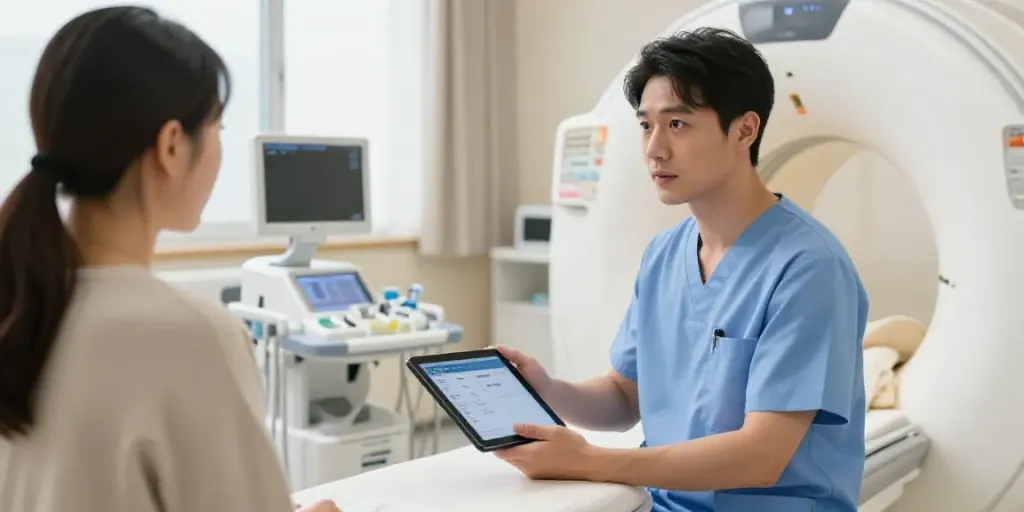
Abu Dhabi boasts state-of-the-art facilities for the diagnosis of gastric cancer. Some of the advanced technologies employed include:
- Endoscopy for direct visualization of the stomach lining
- Biopsies to sample tissue for examination
- Imaging tests like CT scans or MRIs to determine the extent of cancer
These cutting-edge tools allow for precise diagnosis and staging of the cancer, a critical factor in determining the appropriate treatment strategy.
Collaboration with International Experts
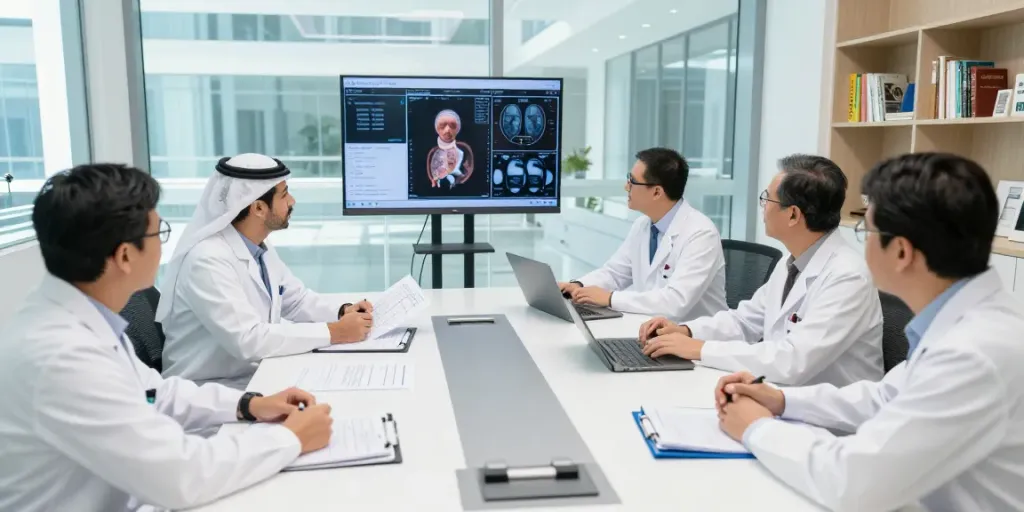
To ensure the highest level of care, many medical centers in Abu Dhabi collaborate with international experts. This collaboration facilitates knowledge exchange and the adoption of global best practices in gastric cancer diagnosis and management.
Innovative Treatment Options Available
Once diagnosed, a range of treatment options is available for gastric cancer patients in Abu Dhabi, emphasizing personalized medicine and patient-centered care. The treatment modalities depend on the cancer's type, location, and stage, alongside patient preferences.
Surgical Interventions for Gastric Cancer
Surgery remains a cornerstone in treating gastric cancer, particularly in early-stage cases. Surgical options can include:
- Partial gastrectomy: Removing a portion of the stomach
- Total gastrectomy: Complete removal of the stomach
- Lymph node dissection: Removal of nearby lymph nodes to assess cancer spread
These procedures aim to remove cancerous tissues and prevent further disease progression.
Chemotherapy and Radiation Therapy Explained
Chemotherapy is often used either as a primary treatment or as an adjuvant to surgery. It employs powerful medications to kill cancer cells or inhibit their growth. Radiation therapy, on the other hand, utilizes targeted radiation to destroy cancer cells, often used in conjunction with surgery to improve outcomes.
Targeted Therapy and Immunotherapy in Practice
Emerging therapies such as targeted treatments and immunotherapy have shown promise in treating gastric cancer. Targeted therapy focuses on specific genetic mutations present in cancer cells, while immunotherapy aims to enhance the patient's immune response against the cancer. These innovative approaches represent the forefront of cancer treatment and are increasingly available in comprehensive cancer care programs.
Supporting Patient Well-Being and Quality of Life
Recognizing the emotional and physical toll that gastric cancer can impose, healthcare providers are committed to offering robust support systems. The focus is not only on treating the cancer but also on enhancing the overall quality of life for patients.
Palliative Care Resources and Options
Palliative care plays a crucial role in managing the symptoms associated with gastric cancer, irrespective of the stage of disease. This approach focuses on relieving pain and alleviating symptoms, allowing patients to maintain a better quality of life during their treatment journey.
Nutrition and Dietary Support for Patients
A nutritious diet can significantly impact recovery and treatment efficacy. Dietitians specializing in oncology provide personalized meal plans that cater to the specific needs of gastric cancer patients, helping to manage side effects and maintain strength.
Emotional and Psychological Support Services
The diagnosis of cancer can be overwhelming, leading to feelings of anxiety and depression. Many healthcare facilities in Abu Dhabi offer psychological support services, including counseling and support groups, ensuring that patients and their families are supported throughout their treatment journey.
Future Trends in Gastric Cancer Treatment
The field of oncology is rapidly evolving, with new research and clinical trials paving the way for more effective gastric cancer treatments. Emerging trends indicate a shift towards personalized medicine, enhancing patient outcomes and experiences.
Emerging Research and Clinical Trials
Participation in clinical trials offers patients access to cutting-edge treatments that are not yet widely available. These trials contribute significantly to the body of knowledge regarding gastric cancer and facilitate the development of innovative therapies.
Advancements in Personalized Medicine
Personalized medicine tailors treatment to the individual characteristics of each patient and their cancer. This approach is expected to yield better outcomes, as treatments are aligned more closely with the genetic makeup of the tumor.
Expected Improvements in Patient Outcomes Through Innovation
Future advancements in surgical techniques, such as robotic surgery, along with enhanced imaging and diagnostic technologies, will likely lead to earlier detection and more successful treatment outcomes.
How Treatment Protocols are Evolving in 2026
As knowledge and technology progress, treatment protocols are constantly being updated. By 2026, patients can expect more integrated approaches that combine various therapeutic modalities, ensuring comprehensive care that addresses all aspects of their health.
What are the average costs of gastric cancer treatment in Abu Dhabi?
The costs of gastric cancer treatment can vary widely based on the specific treatment required and the healthcare facility. Patients should consult with their healthcare providers and insurance partners to understand the financial implications of their treatment options.
How can patients find the best healthcare providers for gastric cancer?
It is essential for patients to research and consider healthcare providers specializing in gastric cancer. Factors to consider include the provider's experience, patient outcomes, hospital affiliations, and access to cutting-edge therapies.
What lifestyle changes can help in gastric cancer prevention?
Incorporating healthy lifestyle choices can significantly reduce the risk of gastric cancer. These include maintaining a balanced diet, exercising regularly, avoiding tobacco products, and minimizing alcohol consumption.
What should patients expect during treatment planning?
During treatment planning, patients can expect thorough discussions regarding their diagnosis, treatment options, risks, and expected outcomes. Multidisciplinary teams play a vital role in ensuring all aspects of care are considered.
How does multidisciplinary care improve treatment success?
A multidisciplinary approach facilitates comprehensive cancer care, as various specialists collaborate to provide a tailored treatment plan. This teamwork enhances communication, treatment effectiveness, and ultimately, patient satisfaction.