Understanding the Role of CNC Machining in Aerospace Manufacturing
CNC machining stands as a cornerstone in the aerospace manufacturing industry, facilitating the production of high-precision components essential for aircraft, satellites, and other aerospace systems. As the demand for lightweight, durable, and complex parts continues to grow, the importance of CNC machining in delivering these components with unparalleled precision cannot be overstated. Leading aerospace cnc parts manufacturers have been leveraging advanced CNC technologies to meet the evolving requirements of this highly regulated industry.
Defining CNC Machining
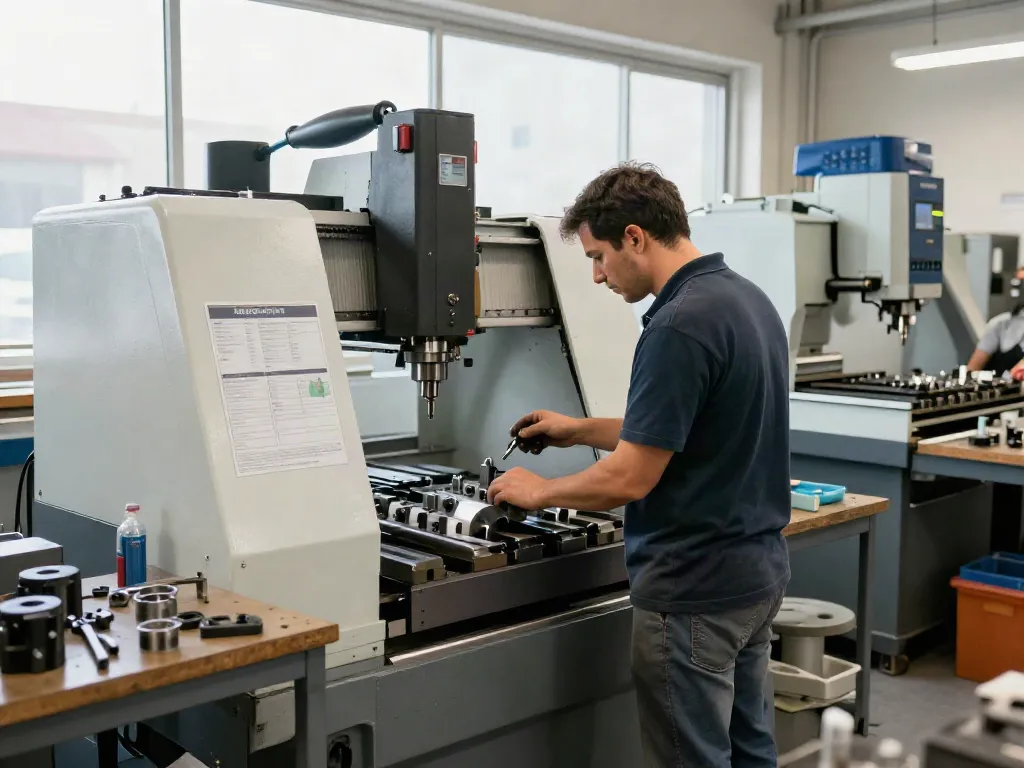
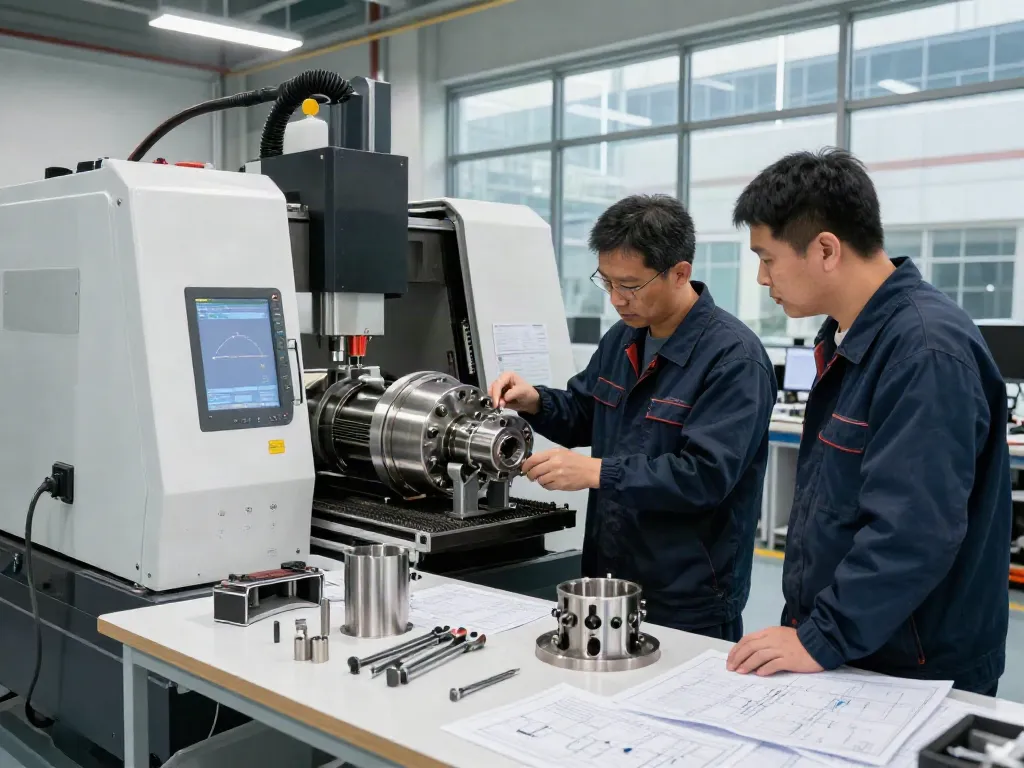
CNC (Computer Numerical Control) machining is a manufacturing process that utilizes computer-controlled machine tools to create precise parts and components. This technology employs a wide variety of machine tools such as lathes, mills, routers, and grinders, which are programmed to follow specific models or designs to produce intricate shapes and features. CNC machining has revolutionized aerospace production by permitting complex geometry, reduced lead times, and increased efficiency.
Importance of Precision in Aerospace Parts
The aerospace industry demands an unprecedented level of precision due to safety concerns, regulatory standards, and operational efficiency. Components such as engine mounts, landing gear assemblies, and fuselage parts must adhere to strict tolerances to ensure functionality and safety. Any deviation may result in catastrophic failures, making CNC machining's precision capabilities invaluable in the production of aerospace components.
Historical Evolution of CNC Machining Technology
The origin of CNC machining can be traced back to the 1940s and 1950s, during which the first numerical control systems were developed. Initially, these systems were rudimentary, relying on punched tape for programming. Over the decades, advancements in computer technology and software have transformed CNC machining into a sophisticated discipline capable of producing highly complex parts rapidly and accurately. This evolution has significantly influenced the aerospace industry, as it continues to adopt innovations that enhance production capabilities and precision.
Key Materials Used in Aerospace CNC Machining
The selection of materials in aerospace CNC machining is critical to ensuring the reliability, weight, and overall performance of components. Different materials possess unique properties that make them suitable for specific applications, and the choice often impacts the performance and safety of the final product.
Overview of Metal Materials
Metals play a crucial role in aerospace manufacturing due to their strength, lightweight properties, and resistance to high temperatures. Common metals include:
- Aluminum: Lightweight and corrosion-resistant, making it ideal for aircraft structures.
- Titanium: Known for its high strength-to-weight ratio and resistance to extreme temperatures.
- Stainless Steel: Provides excellent corrosion resistance and durability, often used in critical components.
Commonly Used Plastic Materials for Components
In addition to metals, various plastics are employed to construct aerospace components, offering benefits like reduced weight and corrosion resistance. Some widely used plastics include:
- Polypropylene (PP): Resilient and chemical-resistant, suitable for non-structural components.
- Polycarbonate (PC): Offers high impact resistance, often used for visors and enclosures.
- Polyether Ether Ketone (PEEK): High-performance thermoplastic known for its mechanical and thermal stability.
Material Selection Criteria for Aerospace Applications
When selecting materials for aerospace applications, several criteria should be considered, including:
- Weight: Components must be lightweight to enhance fuel efficiency.
- Strength: Materials must withstand high stress and loads during operation.
- Temperature Resistance: Parts must perform reliably under extreme conditions.
- Corrosion Resistance: Materials should withstand environmental factors such as moisture and chemicals.
Rapid Prototyping and Production in Aerospace
In the aerospace sector, rapid prototyping has become a vital component of the design and production process. This approach enables engineers to create and test prototypes quickly, allowing for design iterations that can significantly reduce time-to-market.
Benefits of Rapid Prototyping for Aerospace Components
Rapid prototyping offers various advantages in aerospace manufacturing, including:
- Speed: Quick turnaround times facilitate faster validation of designs.
- Cost-Effectiveness: Reduces the financial risk associated with traditional manufacturing processes.
- Design Flexibility: Allows for multiple iterations to refine functions and aesthetics.
Case Studies in On-Demand Production
Real-world applications of rapid prototyping in aerospace often highlight the effectiveness of on-demand production. For instance, companies like Boeing have successfully implemented this technique to streamline their part production processes, enabling them to respond more swiftly to changes in design and client specifications. Such case studies demonstrate that leveraging advanced manufacturing technologies can significantly enhance efficiency and responsiveness in aerospace production.
Challenges in Managing Production Timelines
While rapid prototyping offers numerous benefits, challenges also arise in managing production timelines. These include the need for robust project management, ensuring quality control throughout the prototyping phase, and aligning schedules between design teams and manufacturing units. A systematic approach to workflow management is essential to navigate these challenges effectively.
Best Practices for Quality Assurance in Aerospace CNC Machining
Ensuring quality in aerospace CNC machining is non-negotiable. The rigorous demands of the industry necessitate implementing stringent quality control measures at every stage of the manufacturing process.
Quality Control Protocols for Aerospace Parts
Quality control protocols are critical in aerospace manufacturing to ensure that all components meet defined specifications and standards. Common practices include:
- In-Process Inspection: Regular checks during manufacturing to identify defects early.
- Final Inspections: Comprehensive evaluations before parts are shipped to customers.
- Traceability: Keeping detailed records of materials and processes to ensure compliance with industry standards.
ISO Certifications and Standards in CNC Machining
ISO certifications are essential for aerospace manufacturers, as they demonstrate adherence to international quality management standards. Certifications such as ISO 9001:2015 and AS9100 are particularly relevant, indicating that manufacturers meet the high-quality standards required in aerospace production.
Implementing Continuous Improvement Processes
Continuous improvement, often encapsulated in methodologies like Six Sigma or Lean Manufacturing, helps manufacturers identify areas for enhancement in their processes. By fostering a culture of quality and efficiency, aerospace companies can maintain their competitive edge while ensuring high standards throughout their production cycles.
Future Trends in Aerospace CNC Machining for 2026 and Beyond
The landscape of aerospace CNC machining is constantly evolving, driven by technological advancements and changing market demands. As we look toward the future, several trends are set to shape the industry.
Emerging Technologies in CNC Machining
Innovations such as additive manufacturing, artificial intelligence, and advanced robotics are increasingly being integrated into CNC machining processes. These technologies enhance precision, improve production efficiency, and allow for the creation of parts with complex geometries that were previously unattainable.
Sustainability Practices in Aerospace Manufacturing
Sustainability is becoming a critical focus within aerospace manufacturing. Companies are increasingly seeking eco-friendly materials and processes to reduce their carbon footprint. Innovations in recycling and waste management will be pivotal in achieving sustainability goals in the industry.
Predicted Changes in Market Demands and Innovation
As the aerospace sector continues to grow, there will be a heightened demand for custom components that cater to specific aircraft designs. This shift will require manufacturers to adopt more flexible production processes that can handle diverse material types and design specifications quickly.
FAQ: What are the top CNC parts manufacturers in the aerospace industry?
Several leading manufacturers are recognized for their contributions to the aerospace industry, including Honeywell, Boeing, and General Dynamics. These organizations leverage CNC machining technologies to produce critical components that meet stringent safety and performance standards.
FAQ: How do I choose a CNC machining service for aerospace?
When selecting a CNC machining service, consider factors such as experience in aerospace manufacturing, certifications, machinery capabilities, and customer reviews. It's essential to partner with a manufacturer that demonstrates a commitment to quality and compliance with industry standards.
FAQ: What is the role of automation in aerospace CNC machining?
Automation plays a vital role in enhancing the efficiency and precision of CNC machining. Automated systems can reduce production time, minimize human error, and help achieve consistent quality in manufactured parts.
FAQ: What materials are best for producing aerospace components?
Optimal materials for aerospace components include aluminum, titanium, and high-performance plastics like PEEK. These materials offer the necessary mechanical properties while being lightweight and resistant to environmental stresses.
FAQ: How can quality assurance impact the aerospace manufacturing process?
Quality assurance is critical in aerospace manufacturing as it ensures the reliability and safety of components. Implementing rigorous quality control measures helps mitigate risks, thus enhancing customer trust and compliance with regulatory requirements.