Understanding the Machine Shop Landscape in Houston
Over the years, Houston has established itself as a hub for various industries, necessitating a diverse range of services, especially in manufacturing and machining. A machine shop houston offers not only precision machining services but also plays a crucial role in supporting local businesses with tailored solutions to meet their unique requirements. This article will delve into the intricacies of machine shops in Houston, the core capabilities they offer, and why they are an integral part of the manufacturing ecosystem.
Overview of Machine Shop Services
Machine shops in Houston provide an array of services essential for the manufacturing process. These services often include:
- CNC and manual machining
- Custom mold creation
- Production of machined components
- Industrial repairs
- Grinding and hardness testing
These shops leverage state-of-the-art technology to ensure high precision and quality in their output, catering to both small-scale and large-scale projects.
Key Industries Served by Machine Shops
Houston’s machine shops serve a variety of sectors, including:
- Aerospace
- Automotive
- Oil and Gas
- Healthcare
- Manufacturing
Each of these industries has specific demands that require unique machining solutions, making the expertise offered by local machine shops invaluable to their operations.
Benefits of Choosing a Local Machine Shop in Houston
When businesses opt for local machine shops, they enjoy several advantages:
- Proximity: Quick access to services and consultations.
- Personalized Service: Family-owned shops often provide more attentive and customized service.
- Ease of Communication: Proximity facilitates better communication and collaboration on projects.
- Supporting Local Economy: Utilizing local services contributes to the surrounding community.
These factors combine to create a strong case for choosing local providers for machining services.
Core Capabilities of Machine Shops
CNC and Manual Machining Techniques
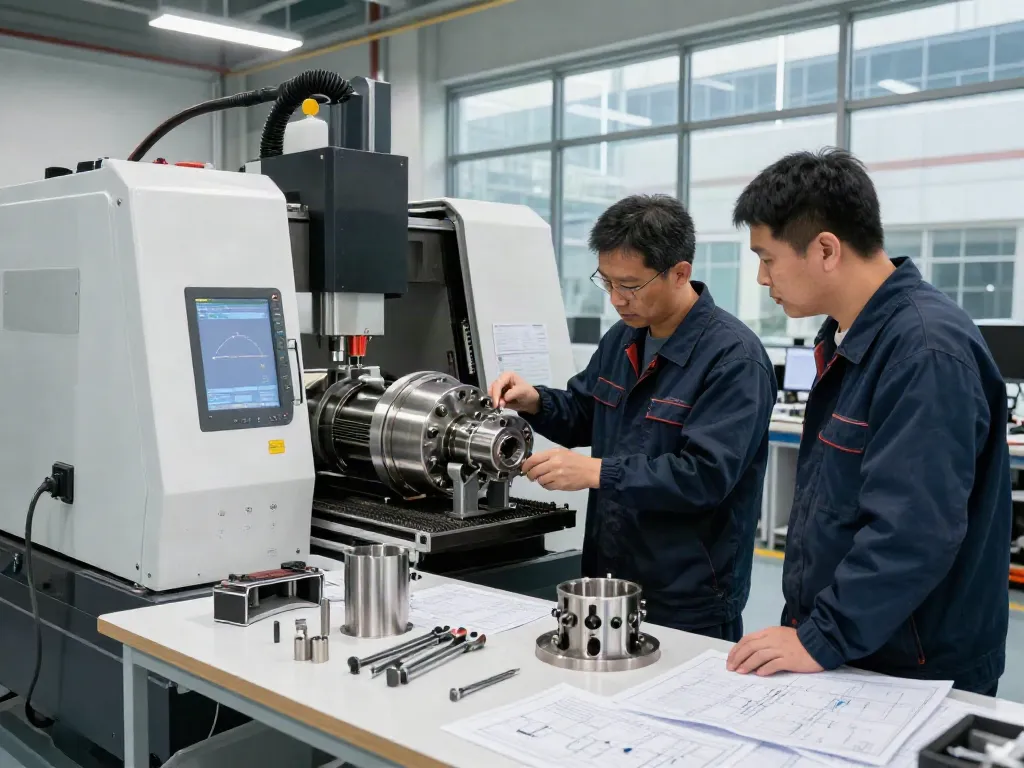
The process of CNC (Computer Numerical Control) machining has revolutionized manufacturing by enabling high-precision production and complex geometrical shapes that would be difficult to achieve manually. Houston machine shops are equipped with advanced CNC machines that allow for rapid production and improved precision.
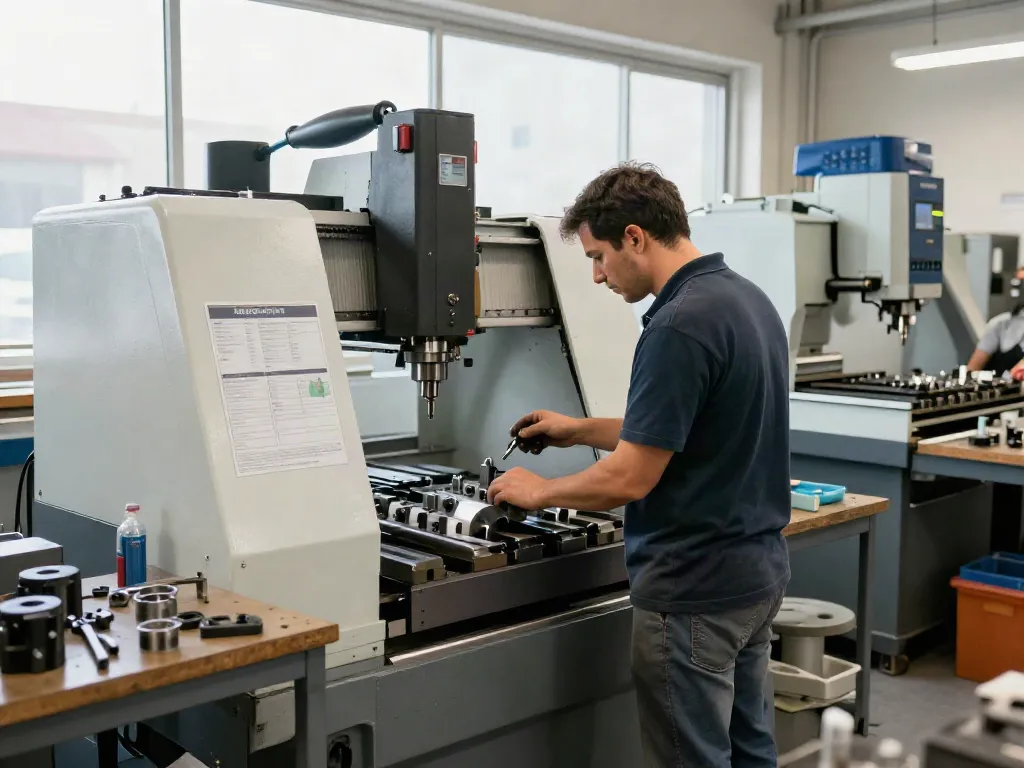
Manual machining, while less common in high-volume production, is still vital for custom and one-off pieces. Skilled machinists can use manual tools to create intricate designs or modifications that are sometimes necessary for specialized jobs.
Custom Molds: A Deep Dive into Production
Custom molds are essential for industries looking to produce components consistently and efficiently. Machine shops in Houston can design and manufacture custom molds tailored to meet the exact specifications of their clients, significantly enhancing productivity and ensuring quality.
This capability is particularly beneficial in sectors like automotive and aerospace, where precision and reliability are paramount. The ability to produce custom molds locally allows for faster turnaround times and flexibility in making adjustments as needed.
Quality Assurance Practices and Standards
Quality assurance is a critical aspect of machining operations. Machine shops in Houston typically adhere to rigorous quality standards, such as ISO 9001, ensuring that their processes consistently meet customer requirements. This focus on quality is essential not only for compliance but also for maintaining customer satisfaction and loyalty.
Common quality assurance practices include:
- Regular calibration of equipment
- Thorough inspection of components during and after production
- Documentation of quality control procedures
Such practices ensure that clients receive products that meet their exact specifications, leading to improved trust and long-term partnerships.
Choosing the Right Machine Shop in Houston
Factors to Consider: Experience, Quality, and Service
When selecting a machine shop, it's vital to consider several factors:
- Experience: Look for shops with a proven track record in your specific industry.
- Quality Assurance: Ensure the shop has quality certifications and a focus on precision.
- Customer Service: Evaluate how they communicate and support clients throughout the process.
These elements will help ensure that you choose a shop capable of meeting your needs reliably.
Evaluating Certifications and Compliance
Certifications like ISO 9001 signify that a machine shop adheres to internationally recognized quality management standards. Evaluating these certifications is essential, as they reflect a commitment to maintaining high quality and efficiency in operations.
In addition to ISO certifications, check if the shop complies with industry-specific standards that pertain to your sector to ensure they meet all necessary regulations.
Customer Reviews and Case Studies
One of the best ways to gauge the reputation of a machine shop is through customer reviews and case studies. These testimonials provide insight into the shop's reliability, quality of work, and customer service. Look for examples of past projects that align with your needs to better understand what you can expect.
Streamlining Your Projects for Efficiency
Best Practices for Project Management in Machining
To ensure smooth operations when working with a machine shop, it’s crucial to establish clear communication and project management practices. Best practices include:
- Setting clear objectives and deadlines
- Regular check-ins and updates throughout the project
- Utilizing project management tools to track progress
Implementing these practices enhances collaboration and reduces the risk of miscommunication, resulting in successful project outcomes.
Leveraging Technology for Enhanced Production
Technology is a driving force behind modern machining processes. High-tech solutions, such as CAD (Computer-Aided Design) software and advanced CNC technology, allow machine shops to produce complex parts with exceptional accuracy.
Leveraging these technologies not only improves production speed but also minimizes material waste, contributing to overall operational efficiency and sustainability.
Expedited Services: When Speed Matters
In today’s fast-paced business environment, the ability to deliver services quickly can be a competitive advantage. Many machine shops in Houston offer expedited services, ensuring that urgent projects can be completed on tight deadlines without sacrificing quality.
It’s essential to discuss expedited service options during your initial consultation to align expectations and capabilities.
Future Trends in the Machine Shop Industry
Emerging Technologies in Machining for 2026
As we advance into 2026, the machine shop industry is witnessing several emerging technologies that promise to enhance efficiency and quality. Key trends include:
- Increased use of automation and robotics
- Advancements in additive manufacturing (3D printing)
- Integration of AI for predictive maintenance and process optimization
These innovations are set to transform traditional machining processes, making them faster and more adaptable to changing market demands.
Sustainability Practices in Machine Shops
With growing environmental awareness, machine shops are increasingly adopting sustainability practices. These may include:
- Reducing energy consumption through efficient machinery
- Implementing recycling programs for metal and other materials
- Using environmentally friendly lubricants and coolants
Sustainability not only reduces environmental impact but can also improve a company’s public image and align with customer values.
Adapting to Market Changes and Customer Needs
Machine shops must remain flexible and responsive to market shifts and customer requirements. This adaptability can involve scaling production up or down, diversifying service offerings, or investing in new technologies.
Engaging with customers to understand their evolving needs is crucial for maintaining long-term relationships and securing ongoing business.
What Questions Should You Ask a Machine Shop?
Before choosing a machine shop, consider asking these critical questions:
- What are your lead times for various services?
- Can you provide references or case studies from previous projects?
- What measures do you take to ensure quality control?
These inquiries will help you assess whether a particular shop aligns with your needs and expectations.
How to Estimate Costs for Machine Shop Services?
Estimating costs for machine shop services often involves understanding the complexity of the project, the materials required, and the time needed for production. Consider discussing with the shop about:
- Pricing structures (hourly vs. per project)
- Material costs and availability
- Potential additional fees for expedited services
Gathering this information will help you create a more accurate budget for your machining projects.
What Are Common Misconceptions About Machine Shops?
Several misconceptions can cloud the perception of machine shops, including:
- “All machine shops are the same.”
- “Only large companies can afford custom machining.”
- “Quality is only a factor for high-volume jobs.”
Understanding the diversity and specialization among machine shops will help you make more informed choices when seeking services.
How Can Quality Assurance Affect Your Project?
Quality assurance plays a pivotal role in determining the success of a machining project. Implementing rigorous QA processes minimizes defects, ensuring that the final products meet the required specifications and standards. This commitment to quality not only builds client trust but also enhances productivity by reducing rework and waste.
What Is the Impact of Technology on Machining Efficiency?
Technology directly influences machining efficiency by streamlining processes, enhancing precision, and reducing turnaround times. The integration of CNC machines, automation, and advanced software tools allows machine shops to produce components that meet increasingly complex demands while maintaining high-quality standards.