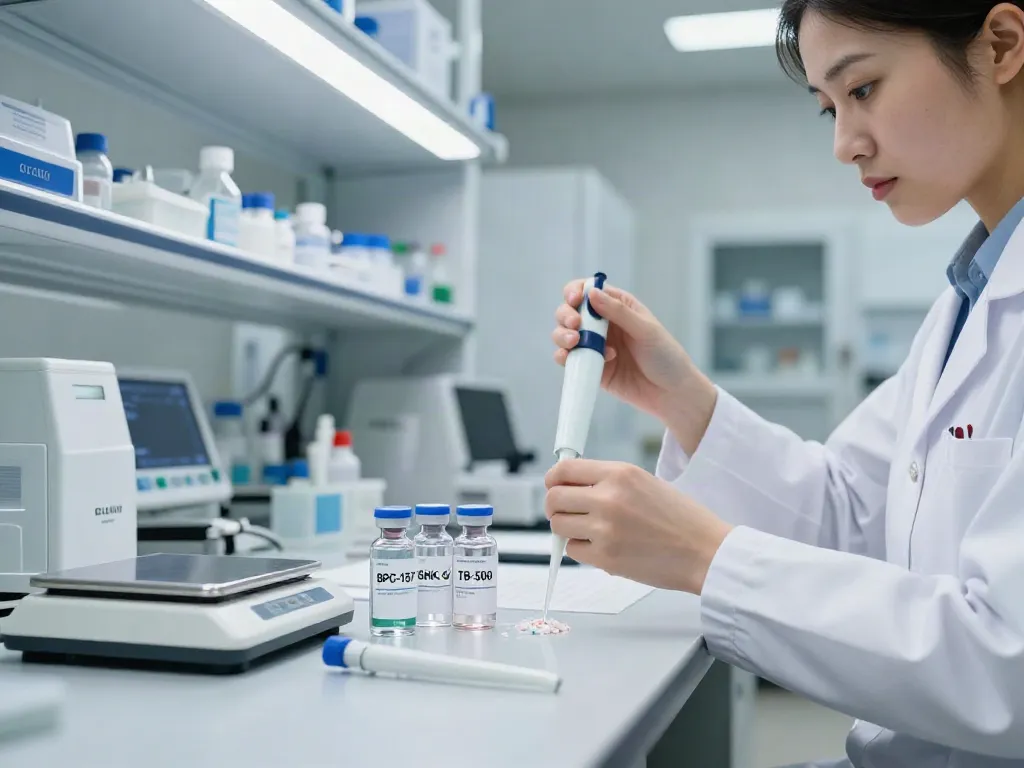
Understanding the GLOW Peptide Blend
The GLOW peptide blend has emerged as a focal point in contemporary research due to its combined properties that support various biological processes. This unique formulation integrates well-studied peptides like BPC-157, GHK-Cu, and TB-500, each recognized for their individual benefits in regenerative medicine and cellular health. Researchers are increasingly seeking reliable sources for these compounds, and when exploring options, GLOW peptide blend for sale ensures high standards of quality and transparency.
What is the GLOW Peptide Blend?
The GLOW peptide blend is a research-grade formulation designed for in vitro laboratory studies. It typically includes three potent components: BPC-157 (Body Protection Compound), GHK-Cu (Copper Tripeptide), and TB-500 (Thymosin Beta-4). Each peptide contributes to the overall efficacy of the blend, making it a versatile tool for researchers investigating regenerative medicine, tissue repair, and anti-inflammatory properties.
Key Components of the GLOW Blend
Understanding the individual components of the GLOW peptide blend is crucial for researchers aiming to maximize their experimental outcomes:
- BPC-157: A peptide known for its ability to promote healing and recovery, BPC-157 has shown promise in studies focusing on tendon and muscle repair, as well as protection against gastric ulcers.
- GHK-Cu: This peptide is celebrated for its role in skin regeneration, collagen synthesis, and wound healing. GHK-Cu is also noted for its anti-aging properties, influencing skin elasticity and firmness.
- TB-500: Known for its regenerative abilities, TB-500 has been used to facilitate wound healing and improve flexibility and strength in muscles. It enhances cellular migration, which is vital during the healing process.
Research Applications of GLOW Peptide Blend
Researchers utilize the GLOW peptide blend across various experimental frameworks. The applications include:
- Wound Healing Studies: The synergistic properties of BPC-157 and TB-500 provide a robust basis for investigating enhanced repair mechanisms in animal models.
- Skin Regeneration: GHK-Cu's significant role in stimulating collagen production makes this blend an attractive candidate for dermatological research.
- Tissue Repair Research: The blend is frequently used in studies exploring the effects of peptide therapy on muscle injuries and post-surgical recoveries.
Quality Assurance and Testing Standards
For researchers, the integrity of the compounds used is paramount. A reliable peptide blend like GLOW must come with rigorous quality assurance protocols that include independent testing and validation.
The Importance of Third-Party Testing
Independent laboratory testing reinforces the credibility of research compounds. Third-party testing verifies the identity, purity, and concentration of peptides, ensuring that researchers receive exactly what they expect. This process includes HPLC (High Performance Liquid Chromatography) analysis and endotoxin testing, vital for confirming that the products meet high research-grade standards.
Understanding Certificate of Analysis (COA)
A Certificate of Analysis (COA) is an essential document that outlines the testing results of each batch of peptides. This document provides transparency and reassurance to researchers about the quality and consistency of their materials. A credible supplier will always provide a COA with detailed information about the compound’s purity and any contaminants tested.
Batch Verification and Transparency
Batch verification ensures that each component of the GLOW peptide blend is consistent across different production lots. By maintaining documentation of each batch's testing results, suppliers can assure researchers of the authenticity and reliability of the peptides they are using.
Best Practices for Using GLOW Peptide Blend
To achieve optimal results from the GLOW peptide blend, researchers must follow best practices in dosage, storage, and combination with other compounds.
Dosage Guidelines for Researchers
Understanding the correct dosage is crucial for effective research outcomes. Dosage recommendations may vary based on the specific application; hence, it’s advisable to follow established protocols or consult existing literature on the effective use of each peptide within the blend.
Safe Handling and Storage Procedures
Proper handling and storage of peptides are critical to preserving their integrity. Researchers should store the GLOW blend under recommended temperature conditions, typically between 2-8°C, and minimize exposure to light. It's also essential to practice aseptic techniques when handling these compounds to prevent contamination.
Combining GLOW with Other Compounds
The GLOW peptide blend can be effectively combined with other therapeutic agents to enhance experimental outcomes. For instance, pairing it with anti-inflammatory compounds may potentiate its effectiveness in tissue regeneration studies. However, researchers must carefully evaluate compatibility and potential interactions to avoid adverse effects.
Challenges and Solutions in Research Settings
While working with research peptides, several challenges may arise that researchers need to navigate effectively.
Common Misconceptions about Research Peptides
Many misconceptions surround research peptides, including their safety and efficacy. It's crucial to clarify that these compounds are intended strictly for use in controlled environments and are not general supplements or medications. Researchers should communicate the appropriate use contexts to avoid misuse.
Navigating Supply Chain Issues
Supply chain disruptions can impact the availability of research materials. Establishing relationships with multiple suppliers and maintaining a clearly defined inventory management system can mitigate these risks. Keeping abreast of market trends can also help researchers anticipate potential shortages.
Addressing Purity and Consistency Concerns
Inconsistency in peptide quality can significantly affect research outcomes. Researchers should prioritize suppliers who provide thorough testing documentation and batch verification. Utilizing platforms that facilitate third-party testing helps ensure that the products meet the stringent requirements of laboratory-grade research.
Future Trends in Peptide Research
The field of peptide research is rapidly evolving, with numerous emerging trends anticipated for the coming years.
Emerging Studies and Findings for 2026
As research continues to progress, new studies are anticipated to unlock further potential applications for peptides, particularly in regenerative medicine and personalized therapy. The integration of peptide therapy into mainstream medical protocols is becoming more feasible as the body of evidence supporting its effectiveness grows.
Potential New Applications for GLOW Peptides
New research is exploring the uses of GLOW peptides in areas such as neuroprotection and cardiovascular health. These promising applications could revolutionize how certain conditions are treated, highlighting the importance of ongoing research and development.
Expert Predictions for Peptide Market Evolution
Market analysts predict substantial growth in the peptide sector, driven by increasing demand for peptide-based therapies. As the market expands, opportunities for novel research and development will continue to arise, ultimately benefiting the scientific community and improving patient outcomes.
What is the best price for Glow peptide Blend?
The price of the GLOW peptide blend can vary significantly based on the supplier and the quality of the peptides. Researchers should compare prices while ensuring that they are purchasing from reputable sources that provide comprehensive testing and documentation.
Which glow peptide is the best quality?
Quality can depend on several factors, including testing protocols, supplier reliability, and batch documentation. It is essential for researchers to prioritize suppliers that offer thorough third-party analysis and transparent COA documentation to ensure they obtain high-quality peptides.
Is the glow peptide blend effective?
Research indicates that the combined effects of BPC-157, GHK-Cu, and TB-500 yield notable benefits in tissue repair and regeneration. However, effectiveness can vary based on numerous factors, including the specific research context and dosage used.
How do I get glow peptides?
Researchers can acquire GLOW peptides through established suppliers that specialize in laboratory-grade compounds. It is advisable to conduct thorough research on suppliers to ensure compliance with quality standards and regulatory guidelines.