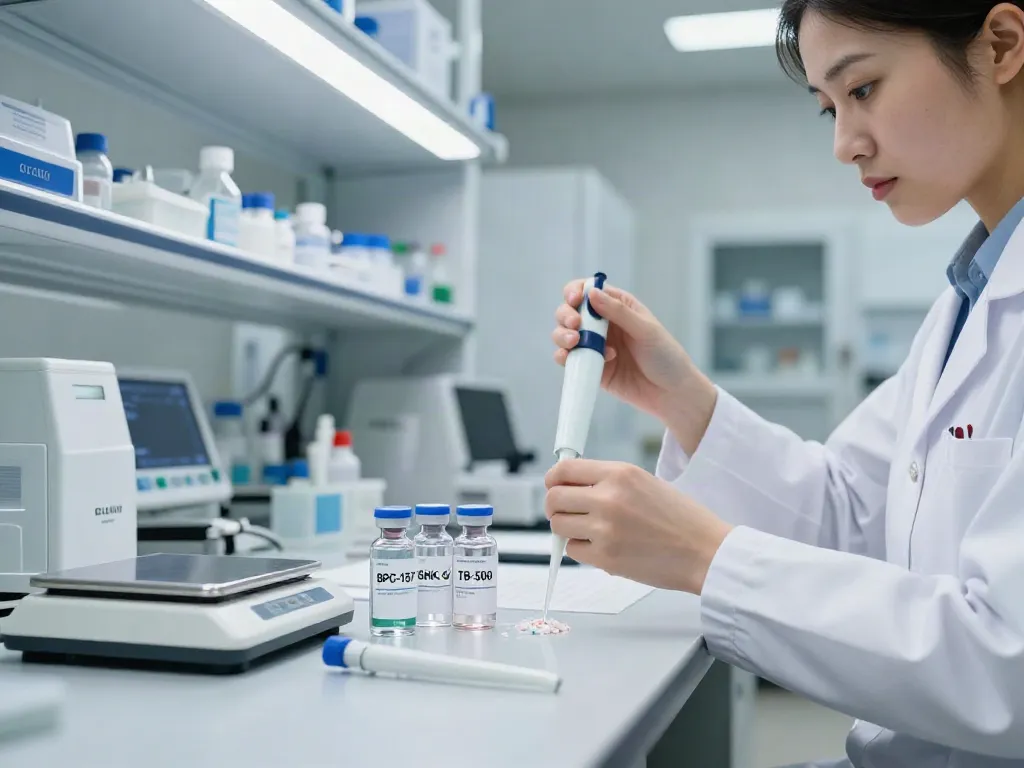
Understanding NAD+ and Its Role in Research
Nicotinamide adenine dinucleotide (NAD+) is a crucial coenzyme found in all living cells, playing a vital role in various biochemical processes. As a naturally occurring dinucleotide, NAD+ consists of two nucleotides joined by their phosphate groups, facilitating essential reactions in cellular metabolism. In recent years, NAD+ has garnered attention in the scientific community for its potential applications in health and longevity research. If you are considering different compounds for your research, you can find a reputable nad research compound for sale that meets rigorous quality standards.
What is NAD+ and Its Importance?
NAD+ serves as a coenzyme in redox reactions, crucial for energy production within cells. It helps in the conversion of food into energy by participating in the metabolic processes of glycolysis, the citric acid cycle, and oxidative phosphorylation. Besides its role in energy metabolism, NAD+ is a key player in DNA repair and gene expression regulation, thereby influencing aging and cellular health.
Applications of NAD+ in Scientific Studies
The burgeoning interest in NAD+ is reflected in various scientific studies exploring its potential to boost metabolism, improve mitochondrial function, and extend lifespan. Researchers are particularly focused on its implications in age-associated diseases, neurodegenerative disorders, and metabolic syndromes. Clinical trials are underway to assess NAD+ supplementation impacts on human health, showing promise in enhancing cellular repair mechanisms and overall vitality.
Common Misconceptions About NAD+ Usage
Despite its benefits, misconceptions about NAD+ usage abound. Many people mistakenly believe that NAD+ can be directly taken as a supplement for immediate health benefits. However, due to its complex biochemical nature, NAD+ is primarily used in research settings rather than as a direct supplement for human consumption. It is essential to understand that research-grade compounds are formulated for laboratory analysis and are not intended for therapeutic use.
Quality Assurance in NAD+ Research Compounds
In the field of research, the purity and integrity of compounds like NAD+ are paramount. Rigorous quality assurance protocols, including third-party testing, play a crucial role in ensuring that researchers receive reliable and effective products. This ensures that every component is properly analyzed, meeting the standards required for advanced scientific investigations.
Importance of Third-Party Testing
Third-party testing provides an additional layer of assurance regarding the quality of NAD+ research compounds. By evaluating products in certified laboratories, researchers can trust that what they are using is both safe and effective. NAD+ compounds from reputable suppliers will typically undergo extensive testing for contaminants, including heavy metals, endotoxins, and sterility, enabling researchers to focus on their studies without concerns about product quality.
Identifying Reliable NAD+ Suppliers
When sourcing NAD+ research compounds, it is crucial to identify suppliers that adhere to high ethical and quality standards. Look for suppliers that are cGMP-certified and FDA audited, as these designations indicate adherence to strict manufacturing guidelines. Transparency about sourcing and testing practices is also a key factor in ensuring that researchers receive the highest quality products available.
Understanding Certificates of Analysis (COA)
A Certificate of Analysis (COA) is an essential document that accompanies quality research compounds, providing detailed insights into the product's composition and testing results. Each lot of NAD+ should come with its COA, allowing researchers to verify the compound's purity and efficacy. Familiarizing yourself with the COA's format and terminology will help ensure that the materials you are using in your research meet the required specifications.
Best Practices for Using NAD+ in Research
To maximize the effectiveness of NAD+ in your research, it's important to follow best practices for handling and administration. Proper protocols can prevent contamination and ensure the accurate interaction of the compound with your experimental setup.
Guidelines for Safe Handling and Storage
Handling NAD+ requires strict adherence to laboratory safety protocols. Always use personal protective equipment (PPE) such as gloves and goggles when handling the compound. Store NAD+ in a cool, dry place away from light to maintain its integrity. Proper labeling of the storage containers is also crucial to prevent mix-ups with other compounds during experiments.
Proper Dosage and Administration Techniques
Determining the correct dosage of NAD+ can vary based on the specific research focus. It is advisable to refer to existing literature for guidance on dosages used in similar studies. Meticulous record-keeping of dosages can help in drawing reliable conclusions from your experiments. Additionally, consider establishing a control group to evaluate the compound's effects accurately.
Common Challenges in NAD+ Research
As exciting as NAD+ research may be, it does come with challenges. Variations in how different cell lines respond to NAD+ can complicate experimental results. Additionally, the compound's stability can differ based on storage conditions and formulation. Researchers must stay informed about the latest findings to navigate these complexities effectively.
Exploring Related Research Compounds
In the realm of biochemistry, various compounds interact synergistically with NAD+, enhancing its applications in scientific research. Understanding these relationships can provide a more comprehensive view of metabolic processes.
Comparison of NAD+ with DSIP and Glutathione
Delta Sleep-Inducing Peptide (DSIP) and Glutathione are two compounds that researchers often compare to NAD+. While DSIP is primarily known for its role in sleep regulation and stress response, Glutathione serves as a powerful antioxidant, protecting cells from oxidative damage. Both compounds can complement NAD+ roles in cellular metabolism, offering potential for combined studies on health and longevity.
Advancements in Peptide Research
Peptides are becoming increasingly popular in research due to their potential in modulating biological functions. New developments in peptide formulations are geared towards enhancing NAD+ production and function, thereby opening new avenues for exploration in the field of metabolic research. Understanding these advancements can help researchers design better experiments and find innovative applications.
Innovative Applications of 5-Amino-1MQ
5-Amino-1MQ emerges as a promising research compound, known for its ability to inhibit the enzyme CD38, which depletes NAD+ levels. Investigating this compound can reveal new insights into NAD+ replenishment strategies and their impact on cellular health. As the landscape of NAD+ research evolves, compounds like 5-Amino-1MQ may become vital tools in the quest for longevity and well-being.
Future Trends in NAD+ Research for 2026 and Beyond
The future of NAD+ research is bright, with numerous emerging areas poised to reshape our understanding of cellular health and longevity. As technology evolves, so do the methodologies utilized in research, paving the way for new discoveries.
Emerging Research Areas Involving NAD+
Innovations in genomics and proteomics are allowing researchers to explore NAD+'s role in greater detail. Areas such as personalized medicine, wherein treatments are tailored to individual genetic profiles, are beginning to incorporate NAD+ research for better health outcomes. The interplay between NAD+ and lifestyle factors, such as diet and exercise, is another exciting frontier in ongoing studies.
Technological Advances Affecting Research Practices
With advances in analytical techniques, including mass spectrometry and high-performance liquid chromatography (HPLC), researchers can now analyze NAD+ more precisely than ever. These technologies facilitate more accurate measurement of NAD+ levels in various biological samples, leading to improved experimental design and reproducibility in research findings.
Expert Predictions for NAD+ Impact on Biochemistry
Experts predict that the understanding of NAD+'s biochemical roles will continue to expand, influencing not only research but also therapeutic strategies. The potential for NAD+ to alter metabolic pathways and affect aging will likely lead to new treatments for age-related diseases and improved healthspan, enhancing quality of life for future generations.
What are the effects of NAD+ on human health?
Although NAD+ is primarily researched in laboratory settings, its effects on human health are gradually being unraveled. Evidence suggests that maintaining optimal NAD+ levels is linked to various health benefits, ranging from improved metabolic efficiency to enhanced DNA repair capabilities and neuroprotection.
What is the best way to purchase NAD+ research compounds?
When purchasing NAD+ research compounds, selecting a reputable supplier that offers robust quality control measures is essential. Look for companies that provide detailed product information, including COA documentation, to ensure that you are obtaining a high-quality product suitable for your research needs.
How do I ensure the quality of NAD+ products?
Ensuring the quality of NAD+ products involves checking for third-party testing certifications and reviewing the supplier's manufacturing practices. Suppliers who are transparent about their processes and provide readily available COAs are typically more trustworthy. Additionally, pay attention to customer reviews and testimonials to gauge the reliability of the supplier.
What is the typical price range for NAD+ research compounds?
The price of NAD+ research compounds can vary significantly based on purity, vendor, and packaging sizes. Typically, research-grade NAD+ products range from $50 to $100 for a specific quantity, but always consider the balance between cost and quality. It is advisable to compare prices from different suppliers while ensuring that you prioritize quality over budget.
Can NAD+ supplements compete with research-grade compounds?
While NAD+ supplements are marketed for general health benefits, they are not equivalent to research-grade compounds used in scientific studies. Research-grade NAD+ is formulated for controlled experimentation and is subject to rigorous testing, ensuring its reliability for scientific applications. Therefore, researchers should rely on high-quality research-grade compounds rather than over-the-counter supplements.