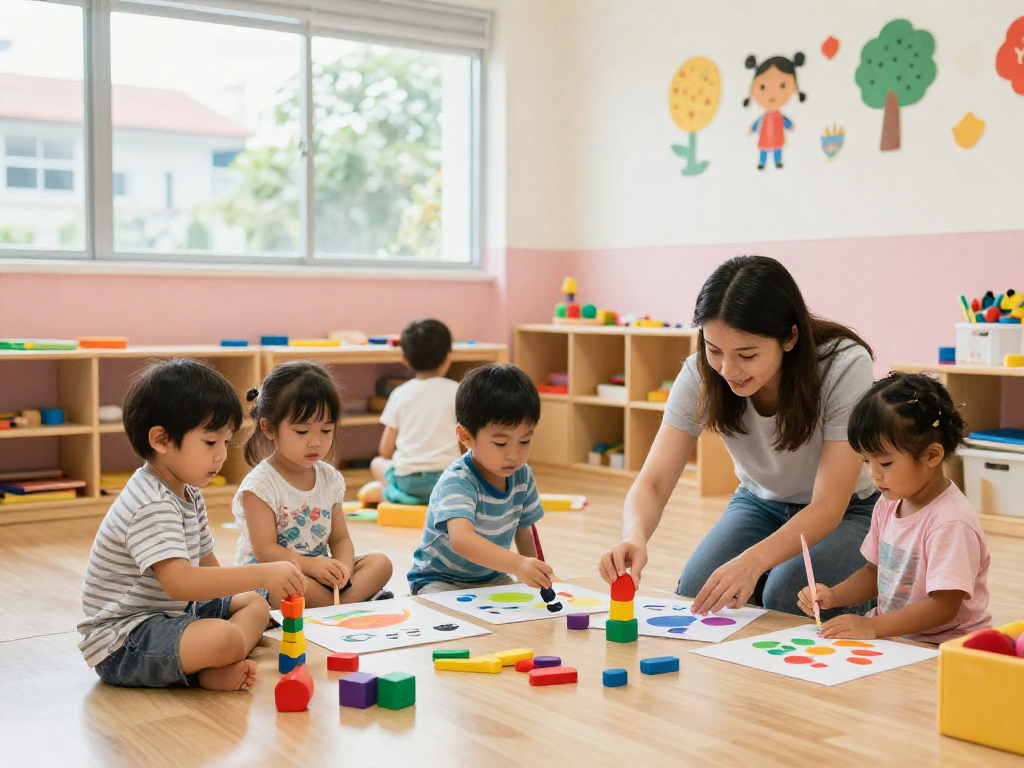
Understanding Reggio Emilia Philosophy in Singapore
The Reggio Emilia approach has gained significant attention in early childhood education, particularly for its child-centered philosophy that emphasizes inquiry-based learning. In Singapore, the integration of this approach in preschools, such as Pegasus International Preschool, has been transformative for children's holistic development. By prioritizing the child's natural curiosity and fostering an engaging learning environment, children can thrive in their formative years.
What is the Reggio Emilia Approach?
The Reggio Emilia approach originated in the post-World War II era in Reggio Emilia, Italy, founded by Loris Malaguzzi and parents who sought to improve early childhood education. This philosophy acknowledges children as active participants in their learning journeys, where they are encouraged to explore their ideas and express their thoughts creatively. Through collaborative experiences, children learn at their own pace, developing critical thinking and problem-solving skills.
Core Principles of Reggio Emilia Preschool Education
- Child-Centric Learning: Children are seen as capable and competent, with a natural drive to explore and learn.
- Collaborative Learning: Learning is rooted in collaboration among children, teachers, and parents, fostering a community of learners.
- Environment as a Teacher: The physical space is thoughtfully designed to inspire exploration and creativity, often referred to as the "third teacher."
- Documentation of Learning: Teachers document children's experiences and progress, enabling reflective practices that inform future learning activities.
How Reggio Emilia Influences Holistic Child Development
At Pegasus International Preschool, the Reggio Emilia approach shapes a learning environment that nurtures not just academic skills but also emotional, social, and physical development. By encouraging exploration and communication, children learn to express themselves confidently and develop a strong sense of identity. This holistic approach ensures that children are prepared not only for academic success but also for lifelong personal and social engagement.
Implementing an Inquiry-Based Curriculum
Inquiry-based learning is pivotal in embracing the Reggio Emilia philosophy. It empowers children to ask questions, seek answers, and explore topics that interest them, making learning a dynamic and personalized experience. When exploring options, Reggio Emilia Preschool Singapore provides comprehensive insights into effective strategies for such an environment.
Key Components of an Inquiry-Based Learning Environment
- Curiosity-Driven Activities: Activities are designed around children's interests, allowing them to explore topics deeply.
- Hands-on Experiences: Children engage in explorations that involve all their senses, enhancing their understanding of the world.
- Encouragement of Questions: Educators promote a culture where questioning is encouraged, fostering critical thinking.
Benefits of Inquiry-Based Learning for Preschoolers
Inquiry-based learning supports cognitive development by allowing children to make connections between new information and existing knowledge. Moreover, this approach enhances motivation and engagement, as children are more likely to invest effort into learning when it reflects their interests and experiences. Emotional and social skills are also developed through collaboration and communication with peers.
Practical Activities to Encourage Inquiry in Children
There are various activities educators can implement to foster an environment conducive to inquiry-based learning:
- Nature Walks: Exploring the outdoors encourages children to observe and question their surroundings.
- Art Projects: Using different mediums allows children to express their thoughts and feelings, stimulating creativity.
- Group Discussions: Engaging children in discussions about their interests promotes articulation of ideas and collaborative learning.
The Role of Educators in Reggio Emilia Preschools
In the Reggio Emilia framework, educators play a crucial role as facilitators. They are not merely instructors but guides who support children in their learning processes.
Characteristics of Effective Teachers in Inquiry-Based Settings
- Responsive: Teachers must be attuned to children's interests and needs, adapting their strategies accordingly.
- Reflective: Effective educators reflect on their practices and seek feedback to continuously improve.
- Collaborative: They collaborate with families and the community, enhancing the learning experience.
Building Relationships with Families and Communities
Creating a strong bond between educators and families is fundamental to a child's development. Regular communication, workshops, and family involvement in school activities foster a supportive environment that extends learning beyond the classroom.
Professional Development for Educators
Ongoing professional development is essential for teachers in Reggio Emilia preschools. Workshops that focus on inquiry-based learning, emotional intelligence, and creative teaching methods equip educators with the tools to create enriching learning experiences.
Creating a Conducive Learning Environment
The environment plays a pivotal role in the Reggio Emilia approach. Spaces must be designed to inspire creativity and exploration while ensuring safety and comfort for children.
Designing Flexible and Stimulating Learning Spaces
Flexible learning spaces allow for various configurations to support different types of activities, from group projects to individual exploration. Classrooms should be filled with natural light, interactive materials, and displays of children's work to create an inviting atmosphere.
Incorporating Nature and Outdoor Learning
Outdoor learning environments are integral to the Reggio Emilia philosophy. Nature provides a rich context for exploration and discovery, enhancing children's connection to the world around them. Activities such as gardening, science experiments, and storytelling in parks help children learn through real-world experiences.
Safety and Well-being in Preschool Settings
A safe and nurturing environment is essential in preschool settings. Implementing policies and practices that prioritize children's physical and emotional safety ensures they feel secure and ready to explore their surroundings.
Future Trends in Early Childhood Education
As we move toward 2026, early childhood education will continue to evolve, embracing new methodologies and technologies while maintaining the core principles of the Reggio Emilia philosophy.
Emerging Approaches and Integrative Strategies for 2026
Innovative learning strategies that combine technology with inquiry-based methods will likely emerge. Programs centered around interest-driven themes and project-based learning will gain traction, enabling children to engage more deeply with subjects that fascinate them.
Technology and Learning: A Balanced Approach
While technology plays a significant role in modern education, a balanced approach is essential. Integrating digital tools must complement hands-on learning to maintain the essence of exploration and creativity that defines the Reggio Emilia approach.
Preparing Children for a Diverse World
Incorporating multicultural education that respects and appreciates diversity will be critical. With a growing global community, children must learn empathy, respect, and adaptability to thrive in an interconnected world.
What is the Reggio Emilia preschool concept?
The Reggio Emilia preschool concept emphasizes child-led exploration and a strong partnership between educators and families, promoting collaborative learning experiences that are relevant to children's interests.
How does a Reggio Emilia preschool differ from traditional preschools?
Unlike traditional preschools that often focus on standardized curriculums, Reggio Emilia preschools prioritize children's interests, adapting the curriculum to foster inquiry and creativity.
What activities can parents do to support their child's learning at home?
Parents can support their child's learning by creating a stimulating home environment, engaging in discussions about their interests, and providing opportunities for exploration, such as outdoor activities or creative projects.
How can I choose the right Reggio Emilia preschool for my child?
When selecting a Reggio Emilia preschool, consider visiting various schools, observing classrooms, and asking about their curriculum and teaching methodologies to find the best fit for your child's learning style.
What are the benefits of the Reggio Emilia approach for early childhood education?
The benefits of the Reggio Emilia approach include fostering children's curiosity, creativity, critical thinking, and social skills—ultimately preparing them for future academic success and personal development.